


Creating a Wildlife-Friendly Garden
26 September 2023 | By Red Landscaping
Nestled in the heart of the picturesque Cotswolds, your garden has the potential to be a haven for local wildlife. The Cotswolds, with its rolling hills and charming villages, is not only a delight for human visitors but also offers a diverse habitat for a wide range of wildlife. By designing your garden with the intention of attracting and supporting local fauna, you can contribute to the conservation of these species while enjoying the natural beauty they bring to your doorstep.
Here are 8 ways to encourage wildlife to your garden and turn it into a thriving ecosystem for birds, butterflies, bees, and other fascinating creatures.
- Native Plants
The foundation of any wildlife-friendly garden is native plants. The UK’s native flora provides food and shelter for countless insects and birds. Consider planting species such as foxgloves, primroses, and bluebells to create a woodland edge feel. Wildflowers like oxeye daisies and cowslips can add a splash of colour while supporting pollinators like bees and butterflies.
- Create Diverse Habitats
Aim to create diverse habitats in your garden. Introduce a small pond to attract frogs, newts, and aquatic insects. Birds will appreciate a well-placed bird bath or feeder, while a pile of logs or a stone wall can provide shelter for insects and small mammals.
- Wildlife-Friendly Borders
Leave a portion of your garden to grow naturally. Wild, untamed areas, whether meadows or bramble patches, are essential for wildlife. These areas provide refuge for insects and small mammals, and the seeds and fruits they produce are a valuable food source for birds.
- Nesting Sites
Consider putting up bird boxes and bat boxes in your garden. These provide safe spaces for birds and bats to nest and raise their young. Wiltshire, Gloucestershire and the Cotswolds is home to various bird species, including swallows, blue tits, and robins, which will appreciate your thoughtful accommodations.
- Be Mindful of Chemicals
Limit the use of pesticides and herbicides in your garden. These chemicals can harm beneficial insects, birds, and other wildlife. Instead, opt for natural pest control methods, such as encouraging ladybugs and lacewings or planting companion plants to deter pests.
- Butterfly and Bee-Friendly Plants
Plant nectar-rich flowers to attract butterflies and bees. Lavender, buddleia, and heather are excellent choices. Be sure to provide plants that bloom at different times of the year to ensure a continuous food source for these vital pollinators.
- Compost and Mulch
Creating a compost pile not only reduces waste but also attracts insects and worms, which are essential for a healthy garden ecosystem. Additionally, mulching your garden beds with organic matter helps retain moisture and supports soil-dwelling creatures.
- Night-Friendly Lighting
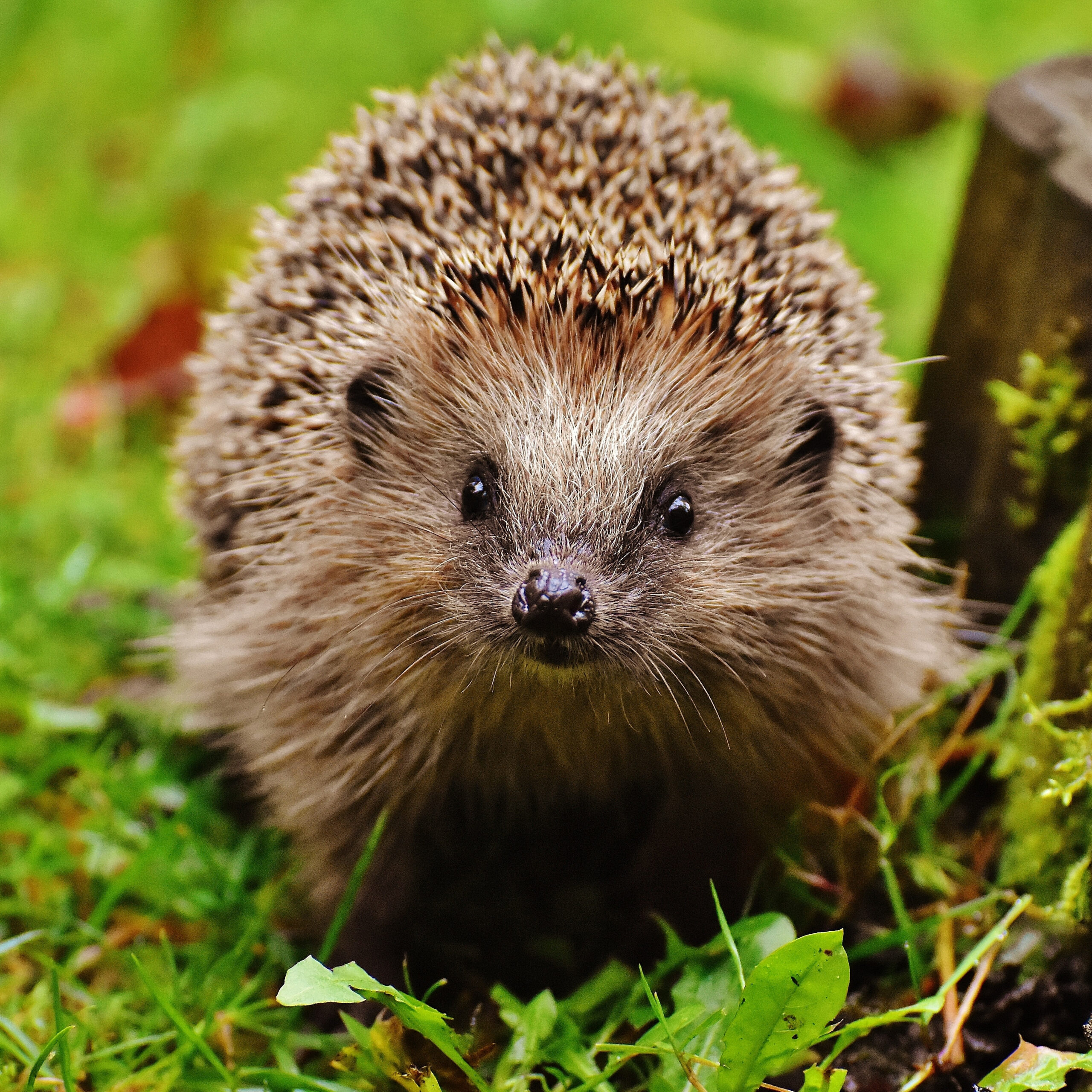
If you use outdoor lighting, choose fixtures that are designed to minimize light pollution. Excessive light can disrupt nocturnal wildlife, so consider motion-activated or shielded lighting options to reduce its impact. If you’re a hedgehog lover, cut a 13cmx13cm hole in the fence on either side of your garden to allow them passage.
Creating a wildlife-friendly garden in the Cotswolds is rewarding. Not only will you enjoy the sights and sounds of nature right outside your door, but you will also contribute to the conservation of local wildlife populations. By planting native species, providing diverse habitats, and being mindful of the impact of chemicals and lighting, your garden can become a sanctuary for birds, butterflies, bees, and other fascinating creatures that call the Cotswolds home.
So, grab your gardening gloves and get started on your journey to a more vibrant, eco-friendly garden. Your efforts will be rewarded with the beauty and wonder of nature in your own backyard.
Get in touch if you’d like to design your garden for wildlife.