


Designing a Sustainable Garden
6 October 2024 | By Red Landscaping
In today’s world, sustainable living is more important than ever, and your garden is the perfect place to start. As a Wiltshire landscape gardener, we often work with homeowners who are looking to reduce their environmental impact while creating a beautiful, functional outdoor space. Designing a sustainable garden involves thoughtful planning, choosing eco-friendly materials, and selecting the right plants that thrive in harmony with nature.
Some things to consider for a sustainable garden;
1. Thoughtful Planning for a Sustainable Garden
The foundation of any sustainable garden begins with smart planning. Whether you’re starting from scratch or renovating an existing space, consider the following:
- Site Analysis: Before designing, observe your garden’s natural conditions. Take note of sunlight patterns, soil type, moisture levels, and wind exposure.
- Maximising Biodiversity: A sustainable garden should promote biodiversity by offering a habitat for various plants, insects, and animals.
- Water Conservation: Group plants with similar water needs together, and choose drought-tolerant species where possible. Installing rainwater harvesting systems, such as water buts, is another excellent way to reduce your garden’s reliance on tap water.
- Minimising Hardscapes: Hard surfaces like patios and pathways are essential, but choose permeable materials like gravel, permeable pavers, or recycled materials.
2. Sustainable Planting Options
When it comes to sustainable gardening, the plants you choose play a critical role. Opting for native, drought-tolerant, and low-maintenance plants will help you create a garden that’s not only beautiful but also environmentally friendly.
- Native Plants: Native plants are species that naturally occur in your region. They are well-suited to local climate and soil conditions, requiring less water, fertiliser, and pesticides than non-native varieties. In Wiltshire, some great native plants include:
- Field Scabious
- Yarrow
- Dog Rose
- Drought-Tolerant Plants: With climate change making dry spells more common, it’s a smart idea to incorporate drought-tolerant plants into your garden.
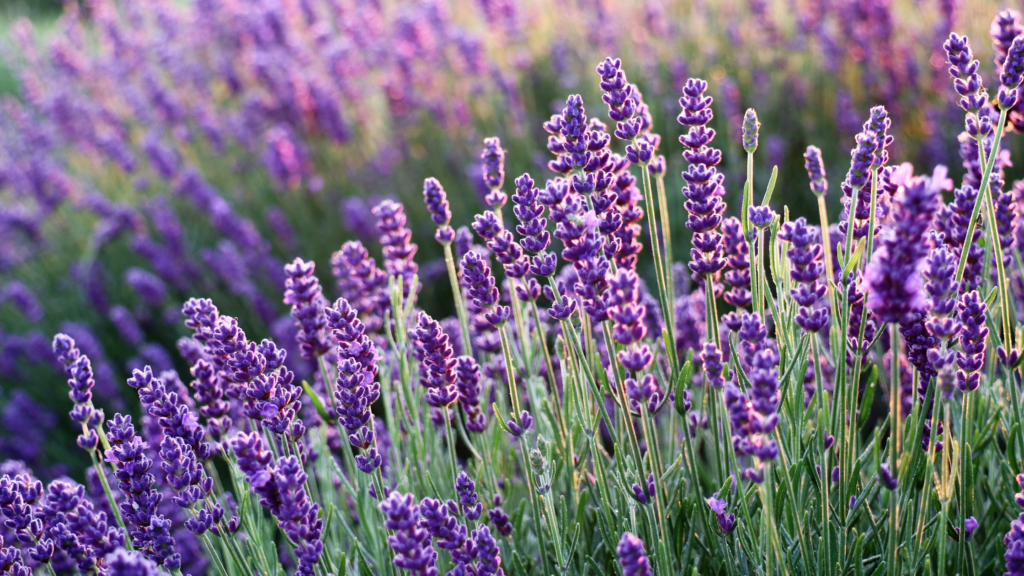
- Lavender
- Sedums
- Thyme
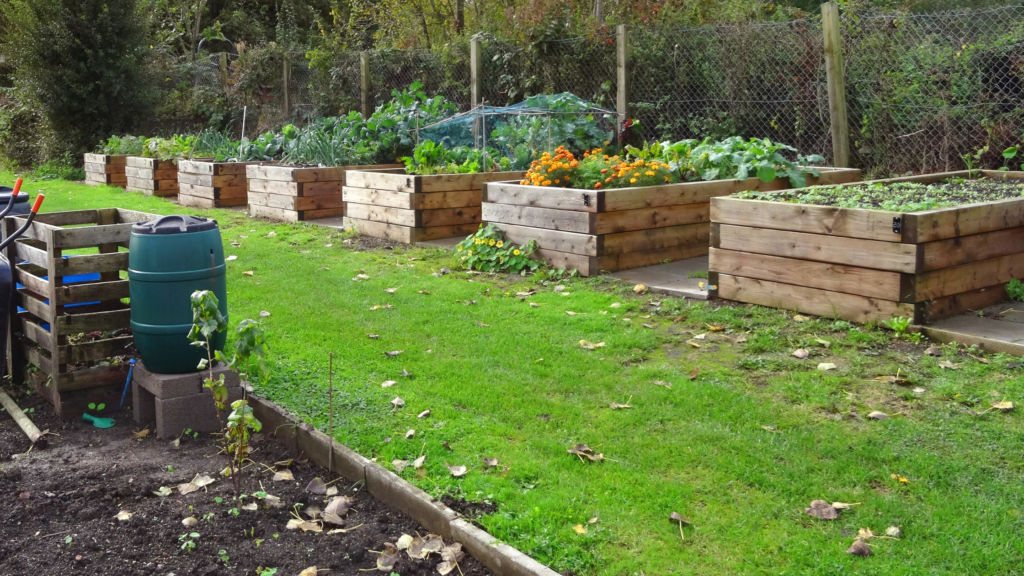
- Edible Plants and Permaculture: Incorporating edible plants into your garden design is a sustainable choice that offers both aesthetic and practical benefits. In addition to traditional vegetable beds, consider adding fruit-bearing trees, berry bushes, and perennial herbs to your landscape. Permaculture principles—where plants support each other’s growth and reduce resource use—are also worth exploring. For example, companion planting is a permaculture practice where certain plants are grown together to benefit each other, like growing marigolds to deter pests around your vegetables.
- Wildflower Meadows and Grasses: Replacing traditional lawns with wildflower meadows or native grasses reduces the need for watering, mowing, and fertilising. Wildflowers, like oxeye daisy and cowslip, create a vibrant display while attracting beneficial insects and wildlife. For a low-maintenance option, consider clover lawns or ornamental grasses like Stipa gigantea, which add texture and movement to your garden.
3. Green Choices for Your Garden
Beyond plant selection, there are many other green choices you can make to ensure your garden is as sustainable as possible.
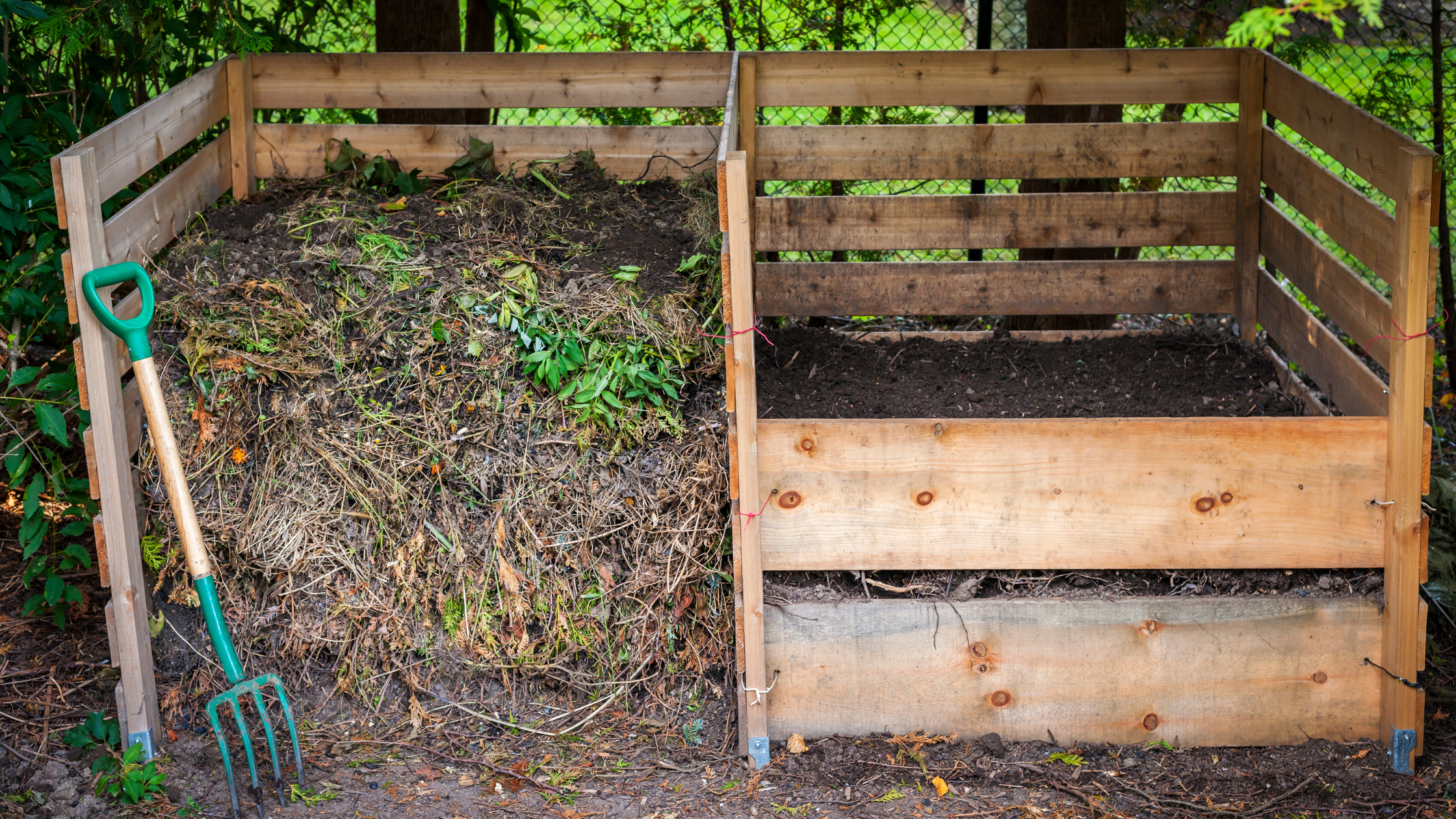
- Composting: Composting is one of the simplest ways to reduce waste and create nutrient-rich soil for your garden. By recycling garden waste, kitchen scraps, and other organic matter, you can produce your own compost to enrich your soil and reduce the need for chemical fertilisers.
- Mulching: Mulching is another eco-friendly practice that helps retain soil moisture, suppress weeds, and regulate soil temperature. Organic mulches, like wood chips, leaves, or straw, decompose over time, improving soil health.
- Recycled and Natural Materials: When choosing garden furniture, borders, and paths, consider using recycled or sustainably sourced materials. Recycled plastic, reclaimed wood, or natural stones can all reduce the environmental footprint of your garden. Opting for FSC-certified wood for decking or fencing ensures that the timber comes from responsibly managed forests. All the wood we use at Red Landscaping is FSC- certified.
- Green Energy Solutions: Powering your garden with renewable energy sources is another step towards sustainability. Solar-powered lights, water features, or even small solar panels to run garden appliances can significantly reduce your reliance on non-renewable energy.
- Encouraging Wildlife: Sustainable gardens should support local wildlife, which is crucial for maintaining healthy ecosystems. Install bird feeders, bug hotels, or create small ponds to encourage a range of species. Providing shelter and food for wildlife helps maintain a balance between pests and beneficial creatures like pollinators and predators. Find out how to create a hedgehog friendly garden here.
4. Minimising Chemical Use
Reducing or eliminating the use of synthetic fertilisers, herbicides, and pesticides is key to maintaining a healthy and sustainable garden. Instead, opt for organic alternatives or use natural methods to manage pests and diseases. For example:
- Introduce beneficial insects like ladybirds to control aphids.
- Use homemade fertilisers, such as compost tea or nettle water, to boost plant health without chemicals.
We believe that small changes in how we design and maintain our outdoor spaces can have a big impact on reducing our environmental footprint. Whether you’re starting a new project or looking to make your existing garden more eco-friendly, sustainable gardening is the way forward—resulting in a greener, healthier future for us all. Get in touch.